Anti- Inflammatory Japchae Bowl
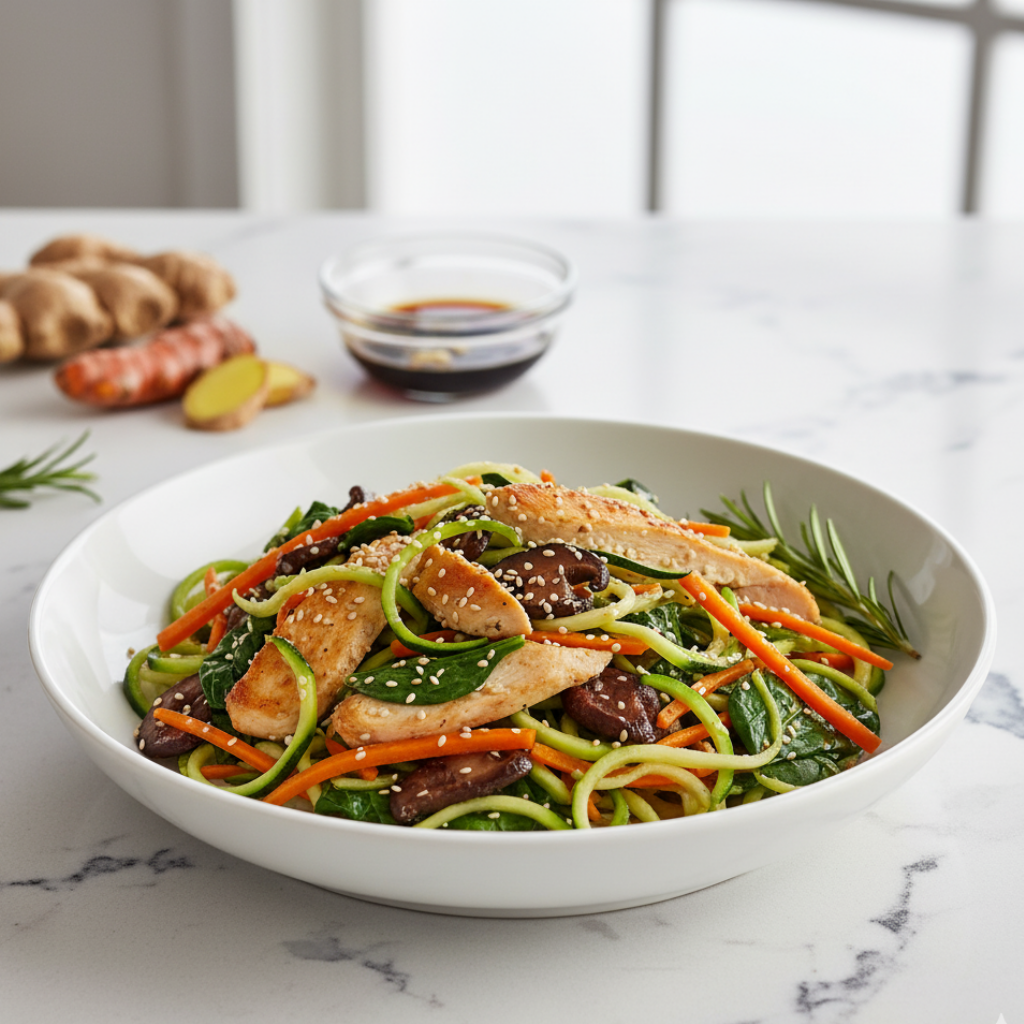
When I started eating anti-inflammatory, I thought I’d have to give up my favorite comfort foods. I love Korean cuisine—I even lived there for six months—but with an anti-inflammatory diet, many traditional dishes (especially the spicy ones!) were off-limits. That’s why love this healthy zucchini noodles with spinach, shiitake mushrooms, and sesame soy sauce.
A quick, anti-inflammatory, gluten-free dinner recipe, and the best of all is ready in under 30 minutes!
Japchae Bowl
Materials
For the stir-fry:
- 2 1/2 Cups packed fresh spinach
- 1 tablespoon Extra-virgin olive oil (or oil of choice)
- 1 carrot, peeled and cut into thin matchsticks
- 1/2 medium white onion, thinly sliced
- 3.5 onz shiitake mushrooms, stems removed, caps sliced into ½-inch pieces
- 1 large zucchini , spiralized (zoodles) (or 2 medium)
- 1/4 teaspoon toasted sesame seeds, for garnish
For the sesame soy sauce:
- 1 tablespoon toasted sesame oil
- 2 tablespoon raw honey (or maple syrup for vegan option)
- 2 tablespoon low-sodium soy sauce (or tamari for gluten-free)
- 1/4 teaspoon toasted sesame seeds
Instructions
- Prepare the sauce: In a small bowl, whisk together sesame oil, honey, soy sauce, and sesame seeds. Set aside.
- Blanch the spinach: Bring a small pot of water to a boil. Add spinach for 30 seconds, until just wilted. Remove with a slotted spoon, transfer to a plate, and gently squeeze out excess water.
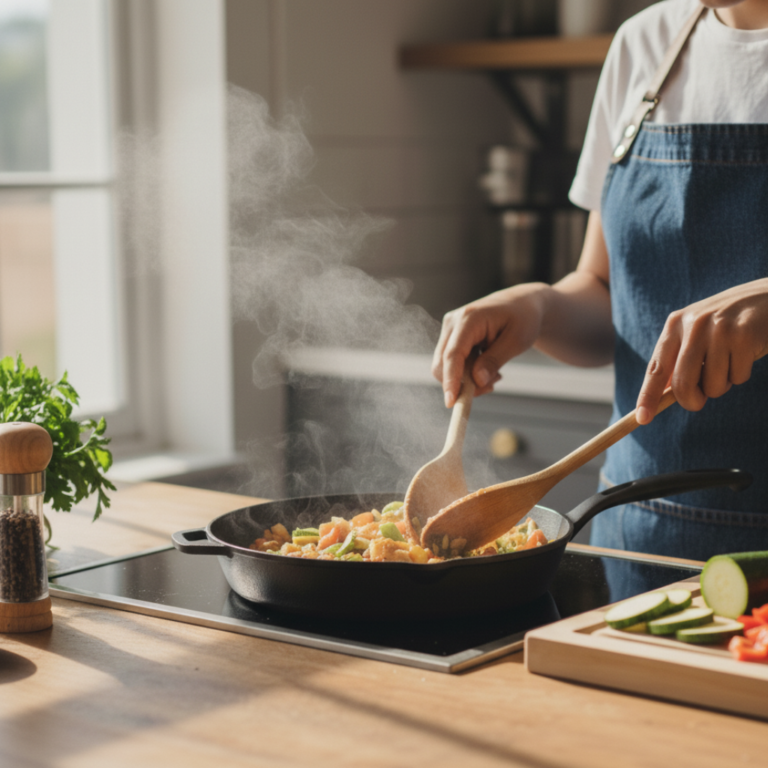
- Cook the vegetables: Heat a large skillet over medium heat. Add olive oil. Once hot, add onion, carrots, and shiitake mushrooms. Cover and sauté for 5–7 minutes, until mushrooms are tender and carrots are softened.
- Add zucchini noodles: Toss in the zucchini noodles and cook for 2–3 minutes, until al dente. Transfer to a colander and let excess liquid drain. Return the noodles and veggies to the skillet.
- Combine & serve: Add spinach back to the skillet, pour in the sesame soy sauce, and toss well to coat. Cook for 1 more minute to warm through. Serve immediately, garnished with toasted sesame seeds.
Tips to Make It Even Better
- Don’t overcook the zucchini noodles. Two to three minutes is enough. Overcooked zoodles get watery and lose their texture completely.
- Drain well before adding the sauce. After cooking, transfer the noodles to a colander and let them sit for a minute. This keeps the dish from getting soggy.
- Use tamari instead of soy sauce if you want to keep it 100% gluten-free. The flavor is almost identical.
- Add a soft-boiled egg or shredded rotisserie chicken on top for extra protein if you’re not keeping it plant-based.
- Make the sauce ahead. The sesame soy sauce keeps in the fridge for up to a week and works great on salads, grain bowls, or roasted veggies.
Is This Good for Meal Prep?
Yes! This anti-inflammatory japchae bowl holds up reasonably well in the fridge for 1–2 days. Store the sauce separately and add it just before eating to keep the noodles from absorbing too much liquid. The vegetables may soften slightly, but the flavor actually deepens overnight.
Remember, eating healthy doesn’t mean eating boring or tasteless.
I hope you enjoy this recipe!
You Might Also Like
If you enjoyed this recipe, here are a few more anti-inflammatory meals to add to your weekly rotation:
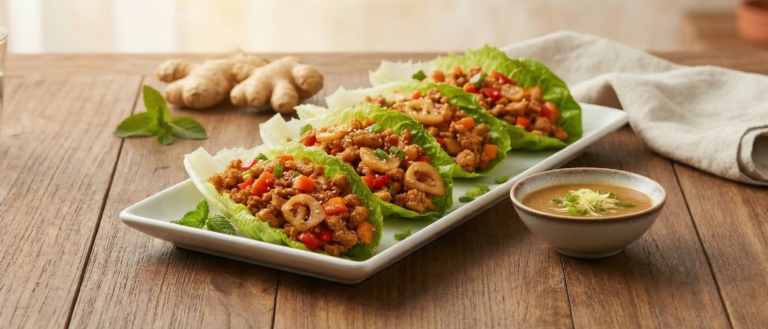
- 🥬 Turkey Lettuce Wraps with Ginger Sauce — another quick, flavorful dinner with powerful anti-inflammatory ingredients.
- 🥗 5 Anti-Inflammatory Lunch Recipes — easy, packable ideas for the whole week.
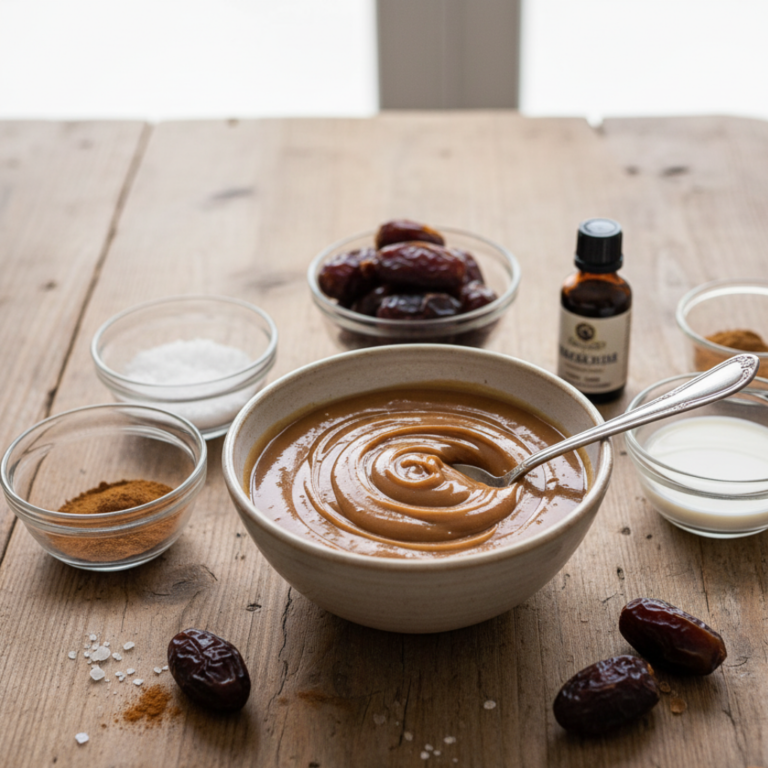
- 🍮 Easy Creamy Dates Caramel — a naturally sweet treat with zero refined sugar.