
Think You’re Eating Healthy?
5 Foods That Secretly Trigger Inflammation + Anti Inflammatory Food Fixes
If you’re anything like me, there was a time when you didn’t understand what was happening to your body… you just knew something felt off.
You felt inflamed, uncomfortable, and out of control—but you couldn’t explain why.
I remember that a year before my diagnosis, I started noticing small but confusing changes.
At certain moments of the day, my bra suddenly felt tight, my jeans became unbearable, and my body felt swollen for no clear reason.
It wasn’t just physical—it was frustrating and overwhelming.
What I didn’t know back then is that some of the foods I was eating daily—foods I thought were “healthy”—were actually fueling that inflammation.
If you’re experiencing something similar, this matters.
Because once you understand the hidden triggers and start choosing the right anti inflammatory food, everything begins to shift—your energy, your digestion, and how your body feels in your own skin.
Why Inflammation Isn’t Just About “Bad Food”
Inflammation is not only caused by junk food.
It’s not just about what you eat occasionally—it’s about the daily decisions you make with food.
Sometimes, it’s the “everyday” foods—those marketed as healthy—that quietly stress your gut and immune system over time.
And here’s something important: inflammation isn’t always obvious.
There is also something called chronic low-grade inflammation happening at a molecular level—silent, progressive, and often unnoticed. (We’ll go deeper into that in another blog.)
For people with autoimmune conditions, the body is already more sensitive. This means even small, repeated triggers can lead to:
- Digestive discomfort
- Brain fog
- Joint pain
- Skin issues (like psoriasis or acne)
Your body isn’t broken—it’s responding.
It’s reacting to what you consistently give it.
And food is one of the most powerful signals you send your body every single day.
That’s why now I want to walk you through the 5 worst foods that could be making you feel inflamed without you even realizing it.
1. Gluten (Even in “Healthy” Products)
First, we need to know What it is:
A protein found in wheat, barley, and rye.
Why it triggers inflammation:
It can damage the gut lining and increase intestinal permeability (“leaky gut”), especially in sensitive individuals.
How to avoid it:
- Replace with quinoa, sweet potato, or rice (in moderation)
- Choose certified gluten-free products
2. Dairy (Even Organic or “Light”)
What it is:
Milk, cheese, yogurt, and whey-based products.
Why it triggers inflammation:
Dairy proteins can stimulate immune reactions and mucus production, worsening gut and skin conditions.
How to replace it:
- Almond milk, coconut yogurt
- Nutritional yeast instead of cheese
3. Refined Vegetable Oils
What they are:
These are oils that most households use every single day—often without realizing how processed they are.
Common examples include soybean oil, corn oil, and sunflower oil (in their highly refined forms).
Why they trigger inflammation:
They are very high in omega-6 fatty acids. When consumed in excess (which is very common), they create an imbalance in the body that promotes inflammation over time.
The problem isn’t just using them occasionally—it’s how frequently they show up in packaged foods, restaurant meals, and even “healthy” products.
Better options:
- Extra virgin olive oil
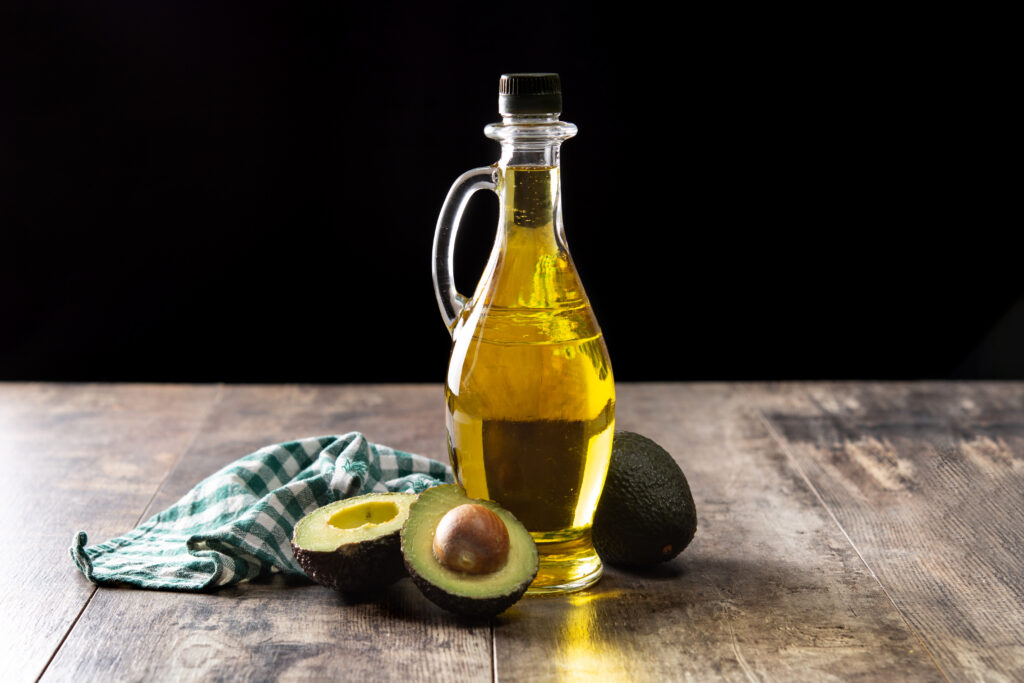
- Avocado oil
- Coconut oil
4. Processed “Healthy” Snacks
What they are:
Protein bars, gluten-free cookies, low-fat snacks.
Why they trigger inflammation:
They often contain hidden sugars, additives, and preservatives that disrupt gut health.
What to do instead:
- Whole foods: nuts, fruits (within your plan), boiled veggies
- Homemade snacks
5. Sugar (Even the “Natural” Kind)
What it is:
White sugar, honey, agave, syrups.
Why it triggers inflammation:
Feeds harmful gut bacteria, spikes insulin, and increases systemic inflammation.
How to reduce it:
- Focus on whole foods
- Use cinnamon or vanilla to enhance flavor naturally
Simple Anti-Inflammatory Swaps You Can Start Today
Instead of focusing only on what to remove, let’s shift to what to ADD:
- Leafy greens (spinach, kale) → calm the immune system
- Fatty fish → reduce inflammation
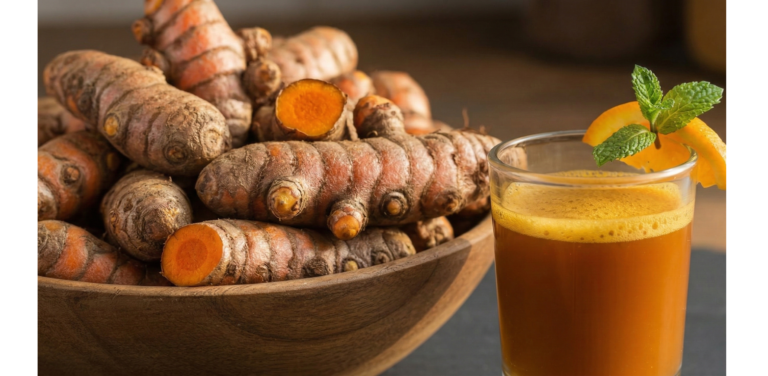
- Turmeric + ginger → natural anti-inflammatory power
- Berries → antioxidants that protect cells
- Olive oil → supports gut and hormone balance
Small changes create big shifts. Im gonna give you an example of what I eat in my day
Breakfast
Green juice (spinach + water) + grilled chicken+ avocado
Lunch
Grilled chicken bowl with zucchini, carrots, and olive oil
Snack
Handful of almonds
Dinner
Beef with sautéed greens and broccoli
Simple. Nourishing. Anti-inflammatory. If you want more recipes like this, check out my recipes page HERE.
What to Avoid If You Want to Heal
- Ultra-processed foods
- Artificial sweeteners
- Fried foods
- Excess caffeine (can stress your system)
- Eating the same triggering foods daily
Healing requires awareness and consistency.
Go slowly. I know there’s so much delicious food out there, and it can feel overwhelming to change everything at once.
You don’t have to cut everything out from day one.
Remember the 80/20 approach: focus on eating mostly whole, unprocessed, anti inflammatory food, and allow flexibility without guilt.
Start by adding more real, nourishing foods to your plate—and over time, your body will naturally ask for less of what doesn’t serve you.
Tips for Daily Life
- Read labels (even “healthy” products)
- Keep meals simple—fewer ingredients, better digestion
- Eat slowly to support gut health
- Stay hydrated (it reduces inflammation)
- Rotate foods to avoid sensitivities
- Prioritize sleep—it directly impacts inflammation
- Listen to your body, not trends