
I Have an Autoimmune Disease, Now What?
Getting diagnosed with an autoimmune disease can feel overwhelming. When I first received my diagnosis, I was still processing everything—I really didn’t know about the condition. Spending hours researching online, scrolling through TikToks, and reading articles. I don’t recommend this—if you’re doing that, stop!
I know that is scary and confusing, and every source seemed to say something different, and you don’t know what to do.
One thing I can tell you is this: you have to start listening to your body. No one knows it better than you do. Paying attention to your symptoms, your energy levels, and what triggers discomfort is the first step toward managing your health. On the internet, you’ll find long lists of symptoms, but if you’re like me, you might look at the list and think, “I don’t feel like that,” or notice you only have 3 out of 8 symptoms.
For me, it wasn’t about matching every symptom—it was about noticing the patterns in my own body. Certain foods, lack of sleep, or stressful days would leave me feeling drained or trigger flare-ups. By paying attention to these signals, I slowly learned what supported my health and what didn’t. It’s not always easy, and it takes time, but tuning in to your body is the most powerful tool you have for managing an autoimmune condition.

I’d like to share some tips that have personally helped me improve my health and prevent flare-ups.
- Listen to Your Body Daily
Keep track of your meals, sleep, stress, and symptoms. This helps you identify triggers and patterns that affect your health. I started keeping a small notebook where I write down what I eat during the day and how it makes me feel. - Focus on Anti-Inflammatory Nutrition
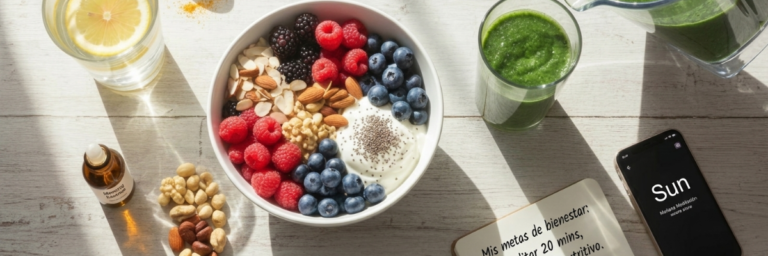
Fill your plate with vegetables, lean proteins, healthy fats, and healing spices like turmeric and ginger. Avoid processed foods and refined sugars that may trigger inflammation. Meal prepping can make healthy eating easier and more sustainable.- Here you can find Anti-inflammatory recipes
- Manage Stress
Stress is a major flare-up trigger. Gentle exercises like walking or yoga, journaling, meditation, or even short breathing exercises can make a big difference. In every consultation, my doctor recommended yoga. Honestly, I didn’t feel stressed at first, but once I started taking classes, I noticed a real difference. Meditation also helps slow down racing thoughts and calms the mind. - Prioritize Rest and Sleep
Your body needs recovery. Try to sleep 6–8 hours per night—you’ll notice a big difference in your energy the next day. Honor your energy levels, and avoid pushing through fatigue, which can worsen symptoms. - Stay Hydrated
Drinking enough water supports digestion, energy, and inflammation control. If you don’t like plain water, herbal teas or infusions are a great way to keep your body hydrated. - Build a Support System
Surround yourself with people who understand your journey, whether friends, family, or online communities. Sharing experiences reduces isolation and provides practical guidance. - Work With Healthcare Professionals
Regular check-ins with your doctor or dietitian help monitor progress and adjust your plan as needed. Don’t hesitate to ask questions or advocate for yourself. They can help you with a anti-inflammatory diet that would help your body.
If you’ve read this far, I hope it helps you. I want you to take these tips to heart and really listen to your body—this disease is just a signal telling you to slow down and care for yourself. Healthy living doesn’t mean giving up, it’s about finding what works for your body and thriving every day. 💛